In 2023, I built my first application that used AI. Nobody knew. AI couldn't build anything back then — tab completion was the ceiling. But I wired up the OpenAI API and made something that actually did things. That was cool.
In August 2025, I started my first real AI-assisted build. By November, something shifted. New frontier models dropped that actually worked. My GitHub commits went from 5–7 a month to 10–20 a day.
I am a professional developer. In my hands, AI coding tools are a sonic screwdriver. Whatever my mind can imagine, I can build.
But I know people who are not developers and want the same thing. They fire up Cursor or Claude and start building. For personal projects, that is usually fine. A few warnings about keeping keys out of source code and they are good to go.
For company work, that conversation gets more serious fast.
The instinct most companies reach for is gatekeepers. People whose job is to slow things down, review what gets built, protect the org from people doing it wrong. I understand the impulse. I think it is the wrong answer.
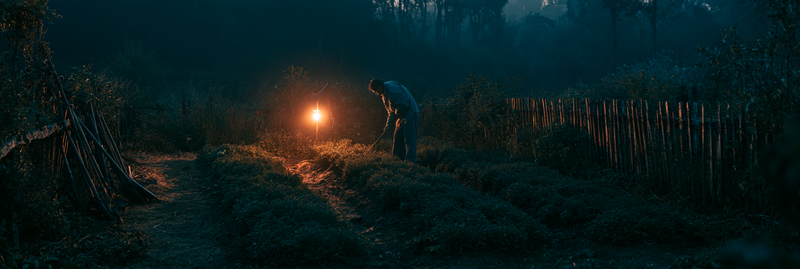
My answer is gardeners.
Embed a developer inside the team with the great ideas. One developer can support 2, 5, 10 people. That developer keeps the team out of the weeds. They don't keep the sonic screwdriver to themselves — they show everyone how to use it properly. They show people how to build securely instead of just "handling it." They show people how to keep the toolset current with the latest skills and agents that build faster and safer. The team brings the domain knowledge. The developer makes sure what they build actually works and does not burn the house down.
Some people call them Forward Deployed Engineers. I call them gardeners.
Which approach is your company taking? Gardeners or gatekeepers?
Originally posted on LinkedIn: "Gardeners, Not Gatekeepers"